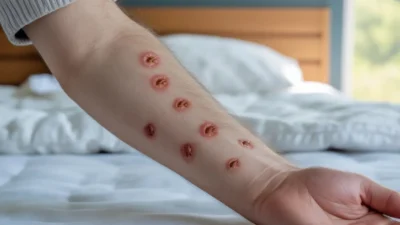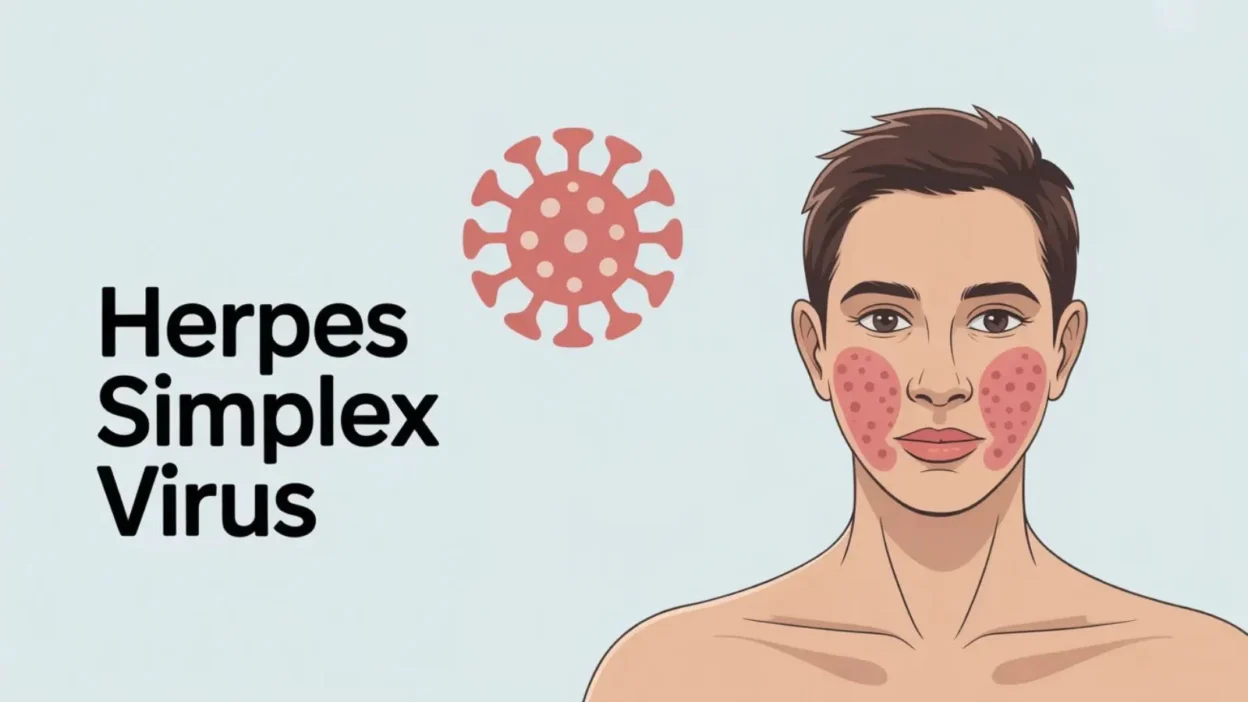
If you’ve ever searched “what does herpes look like”, you’re not alone. Seeing the first signs of herpes can be confusing and worrying. You might notice small bumps, blisters, or redness and wonder if it’s really herpes or something else.
Understanding herpes symptoms and how the virus appears on the skin can help you identify it early, manage outbreaks, and prevent spreading it to others.
Quick Answer: Herpes is a viral infection caused by the herpes simplex virus (HSV). It typically appears as small blisters, sores, or rashes on or around the mouth, genitals, or other areas. Recognizing early signs of herpes is important for treatment and preventing transmission.
Disclaimer: This article is for educational purposes only and is not a substitute for professional medical advice. Always consult a healthcare provider for diagnosis and treatment.
What Does Herpes Look Like?
Herpes infections can look different depending on the type (HSV-1 or HSV-2) and the stage of the outbreak.
Common Visual Symptoms
- Small red bumps or blisters that appear in clusters
- Fluid-filled sores that may burst, ooze, and form a crust
- Itching, tingling, or burning sensation before sores appear
- Swelling or redness around the affected area
Oral Herpes (HSV-1)
- Usually appears around the lips, mouth, or face
- Cold sores are common, often preceded by tingling
- Blisters heal in 1–2 weeks
Genital Herpes (HSV-2)
- Found around genitals, buttocks, or thighs
- Painful sores and redness may occur
- First outbreaks are often more severe; recurrent outbreaks are milder
Other Areas
- Rarely, herpes can appear on fingers (herpetic whitlow) or eyes (ocular herpes)
In short: Herpes = Herpes Simplex Virus (HSV) = Small blisters, redness, and itching.
Early Signs of Herpes
Before sores appear, many people experience:
- Tingling, itching, or burning sensations in the affected area
- Mild pain or discomfort
- Swelling or redness
- Fever, fatigue, or body aches (during the first outbreak)
Recognizing early herpes symptoms can help you start treatment faster and reduce the risk of spreading the virus.
How to Tell Oral vs Genital Herpes
| Type | Location | Common Symptoms | Notes |
| HSV-1 / Oral | Lips, mouth, face | Cold sores, tingling, blisters | Usually mild, may recur occasionally |
| HSV-2 / Genital | Genitals, thighs, buttocks | Painful sores, itching, redness | Often more severe than HSV-1 |
Tip: Many people confuse herpes with pimples, ingrown hairs, or yeast infections. Always consult a doctor if unsure.
Where Herpes Is Most Common
Herpes can appear in different areas:
- Oral (HSV-1) 🏠 – around lips, mouth, face
- Genital (HSV-2) 🍑 – genitals, thighs, buttocks
- Other rare areas 👀 – fingers, eyes, or other skin patches
Tone & Context: Discussing herpes is medical and personal, not casual. Be mindful of privacy and avoid sharing photos without consent.
Visual Examples of Herpes Symptoms
Here are realistic ways herpes blisters and sores appear:
- Oral HSV-1 Example:
- Tingling lips → small red bumps → blisters form → crust over → heals in 1–2 weeks
- Tingling lips → small red bumps → blisters form → crust over → heals in 1–2 weeks
- Genital HSV-2 Example:
- Burning sensation → clusters of painful sores → oozing → healing in 2–3 weeks
- Burning sensation → clusters of painful sores → oozing → healing in 2–3 weeks
- Recurring Outbreaks:
- Mild blisters or tingling
- Often triggered by stress, illness, or weakened immunity
- Mild blisters or tingling
- Other Symptoms:
- Fever, swollen lymph nodes, body aches (common in the first outbreak)
- Fever, swollen lymph nodes, body aches (common in the first outbreak)
- Comparison With Look-Alikes:
- Cold sores: small clusters on lips, less painful than HSV-2
- Shingles: usually one-sided, follows nerve lines
- Acne: isolated red bumps, no fluid-filled blisters
- Cold sores: small clusters on lips, less painful than HSV-2
When to Seek Medical Advice
✅ See a doctor if you notice:
- Persistent or spreading blisters
- Painful herpes sores that don’t heal
- Fever or body aches
- Concerns about HSV-1 or HSV-2 transmission
❌ Avoid self-diagnosing from pictures online – many skin conditions look similar.
| Context | Example Observation | Why It Matters |
| First outbreak | Multiple painful herpes sores | Needs proper diagnosis & treatment |
| Recurring outbreak | Tingling, mild herpes bumps on skin | Antiviral meds may help |
| Self-care | Pain relief, soothing creams | Reduces discomfort |
| Partner communication | Honest discussion about herpes virus | Prevents spread |
Treatment and Management
- Antiviral medications: Acyclovir, Valacyclovir, or Famciclovir
- Pain relief: Over-the-counter creams or numbing gels
- Self-care: Keep the area clean, avoid scratching, wear loose clothing
- Prevention: Condoms, avoiding contact during outbreaks, antiviral prophylaxis
Fact: Herpes is manageable but not curable. Early treatment reduces symptoms and transmission risk.
FAQs About Herpes
Q1: Can herpes appear without sores?
Yes, many carriers show no visible symptoms but can still transmit HSV.
Q2: How long do herpes blisters last?
- First outbreak: 1–2 weeks
- Recurring outbreaks: usually 3–7 days
Q3: How is herpes transmitted?
Through skin-to-skin contact, kissing, sexual contact, or shared personal items.
Q4: How can I prevent herpes?
- Use condoms
- Avoid contact during outbreaks
- Take antiviral medication if prescribed
Q5: How to tell herpes from a pimple or rash?
Herpes blisters are clustered, fluid-filled, and painful, unlike pimples which are isolated.
Q6: Are cold sores the same as herpes?
Yes, cold sores are caused by HSV-1, a type of herpes virus.
Q7: Should I see a doctor?
Always consult a healthcare provider for accurate diagnosis and treatment options.
Final Thoughts:
Understanding what herpes looks like is the first step toward managing this common viral infection. Whether it’s oral herpes (HSV-1) or genital herpes (HSV-2), recognizing the early signs—like tingling, redness, and small fluid-filled blisters—can help you seek timely medical advice and prevent spreading the virus to others.
While seeing herpes blisters or sores can feel alarming, remember that herpes is manageable with treatment. Antiviral medications, proper self-care, and open communication with partners can significantly reduce symptoms and outbreaks.
Key Takeaways:
- Herpes symptoms include clustered blisters, redness, itching, and occasional pain.
- Early recognition helps with faster treatment and reduces transmission risk.
- Oral vs genital herpes may appear in different areas, but both are caused by the herpes simplex virus (HSV).
- Avoid self-diagnosis from images alone; always consult a healthcare professional for confirmation.
By staying informed and proactive, you can manage herpes effectively and live a normal, healthy life.
Next Steps: If you notice any unusual blisters, sores, or symptoms that may indicate herpes, schedule an appointment with a healthcare provider. Early detection and treatment are key.